
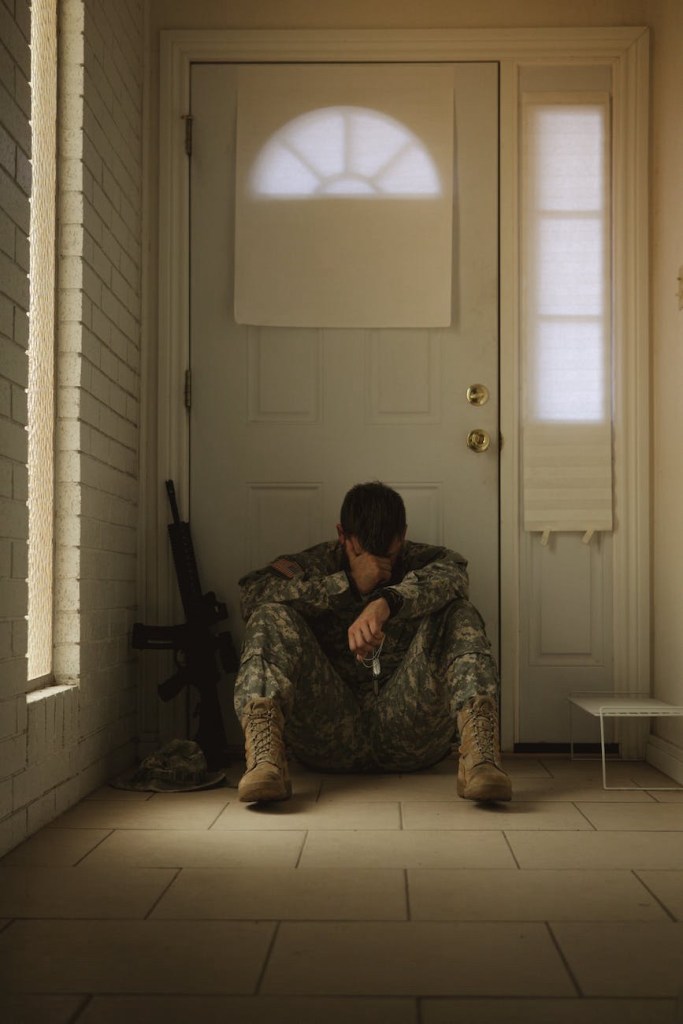
The topic of mental health has gained significant traction in recent years, especially in the realm of public consciousness. Yet, one of the areas that remains dishearteningly under-discussed is the high rate of male suicides in rural UK communities.
1. Stark Numbers:
According to Samaritans, one of the UK’s leading suicide prevention charities, men in rural communities are at an elevated risk. In some parts of rural Britain, the male suicide rate is up to two times higher than that of urban areas. These numbers serve as a sombre reminder that we have an urgent crisis on our hands.
2. The Factors at Play:
Several factors contribute to this increased vulnerability:
- Isolation: The dispersed nature of rural areas often means reduced social interaction. For some men, this can result in feelings of isolation and loneliness.
- Economic Challenges: Many rural areas face economic hardships, particularly where industries have declined or are unstable, such as farming.
- Access to Help: Mental health services are often less accessible in rural settings, both in terms of location and the variety of available services.
- Stigma: In smaller communities, concerns about confidentiality and being judged can hinder men from seeking help.
- Cultural Norms: Traditional ideas of masculinity and stoicism can deter men from discussing their feelings or admitting to struggles.
3. The Role of Occupation:
Farmers and agricultural workers, integral parts of rural UK communities, are among the professions with the highest suicide rates. Long hours, financial uncertainty, and the often unpredictable nature of the work can contribute to stress and mental health challenges.
4. The Call for Action:
Addressing the issue requires a multifaceted approach:
- Improving Access: There is an urgent need to make mental health services more accessible in rural areas, potentially by integrating them into primary care settings or utilising telehealth solutions.
- Education and Awareness: Initiatives targeting rural communities, particularly men, about the importance of mental health, can break down stigmas and empower individuals to seek help.
- Community Building: Encouraging community cohesion and activities can help reduce feelings of isolation.
5. Looking Forward:
While the challenge is significant, there is hope. Many charities, organisations, and individuals are working tirelessly to address this issue. Through collective efforts and societal recognition of the problem, we can hope for a brighter, more supportive future for men in rural UK communities.
If you or someone you know is struggling with thoughts of suicide or is in emotional distress, it’s crucial to seek professional help immediately or reach out to a trusted individual in your life.
 Home | LG Counselling
Leave a comment